

Smart Office Space Planning: How the Right Layout Improves Productivity
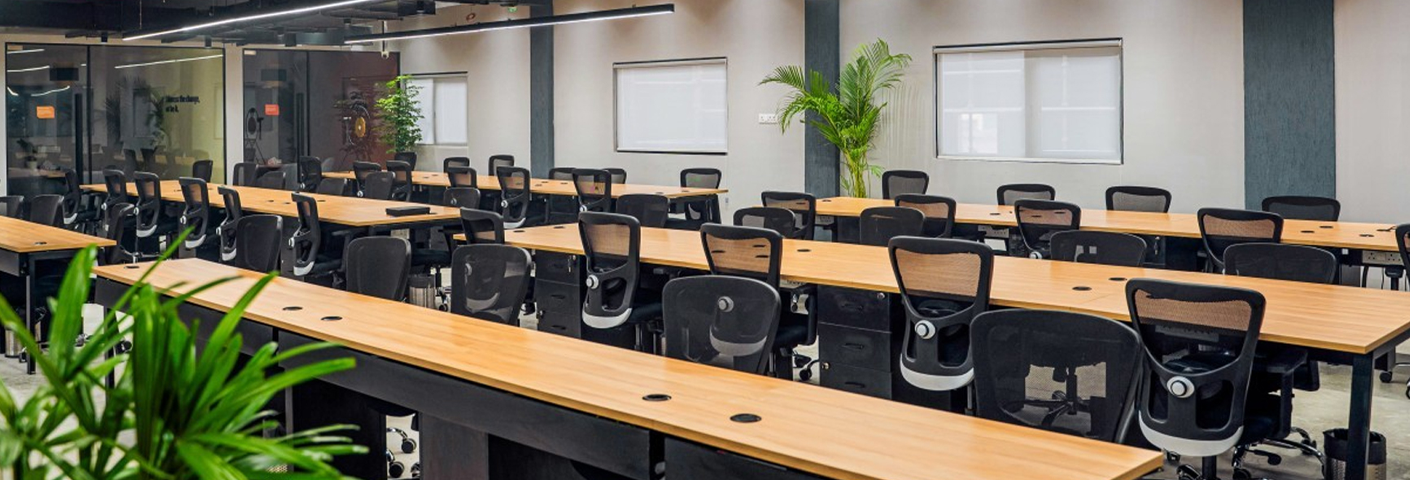
A well-designed office is not just about desks and chairs. It’s about how people move, interact, and perform daily tasks. Office space planning focuses on creating an environment where teams can work efficiently, collaborate smoothly, and stay comfortable throughout the day.
Many businesses focus heavily on aesthetics, but the real impact of an office lies in its functionality. A smart layout reduces wasted time, improves communication, and supports employee well-being. When people can move easily and find the right space for their work, productivity naturally increases.
One of the most important aspects of office planning is movement. Employees should be able to move seamlessly between workstations, meeting rooms, and collaborative areas. When movement feels natural, it saves time and reduces daily friction.
Another key factor is zoning. A good office includes spaces for focused work, team collaboration, and informal discussions. This balance ensures that employees can switch between tasks without disruption.
Flexibility also plays a crucial role. Businesses grow and change, and office spaces should adapt accordingly. A scalable layout allows teams to expand without major disruptions or additional costs.
Comfort and lighting are equally important. Natural light, ergonomic furniture, and proper ventilation directly impact how people feel and perform at work. A comfortable environment leads to better focus and long-term productivity.
At Nestwrk, office spaces are designed with these principles in mind. From efficient layouts to fully managed infrastructure, every element is built to support business growth.
A good office is not defined by how it looks, but by how well it works. Smart planning leads to smarter performance.